

Have you ever tried to schedule a new water heater installation and realized you have no idea what actually happens the day it goes in? Most homeowners expect it to be quick and simple… until the installer starts asking about access, hookups, clearances, permits, or where the unit even needs to go. Suddenly, something that should’ve been easy turns confusing fast.
That’s the part no one tells you: the installation itself is where things can get messy, delayed, or more expensive if you’re not prepared for what your home needs ahead of time.
If you want your installation to go smoothly without surprises, extra steps, or last-minute scrambling, you’ll want to read this and know what to expect before the plumber ever walks through the door.
What Water Heater Installation Really Involves
A proper water heater installation is much more than swapping out an old unit. It starts with choosing the right system for your home’s hot water needs. You have to make sure it’s safely connected to your water, gas, or electrical lines. Every connection must meet code, handle the right pressure, and be set up to run efficiently.
So the help of a reliable plumber is crucial. They check everything in your plumbing, from your venting, drainage, and safety valves, then calibrate the system so the temperature and pressure stay stable. If done correctly, your water heater will avoid leaks, performance issues, and energy costs.
Choosing Between Tank and Tankless Systems
Your water heater installation experience depends heavily on the type of system you pick. Tank and tankless units heat water in completely different ways, and each one changes what the plumber needs to do on installation day. Here’s a quick look at how they compare.
Tank Water Heater Installation
A tank water heater stores 30–80 gallons of hot water and keeps it heated until you use it. It’s the most common, affordable, and easy to maintain. The main drawback is that it can run out of hot water, and it uses energy around the clock to keep the tank warm. For many homes, it’s a reliable option as long as it’s sized correctly and installed by a plumber who understands your hot water needs.
Tankless Water Heater Installation
A tankless system heats water only when you need it, giving you nonstop hot water and better energy efficiency. It saves space, cuts standby energy use, and can lower utility bills over time. However, tankless water heater installation requires proper sizing and strong plumbing and gas or electrical support. When set up correctly, it delivers long-term comfort and performance without the limitations of a traditional tank.
The Step-by-Step Installation Process
No matter which type of water heater system you choose, the installation follows a careful process to ensure your system runs safely and performs as it should. Here’s what happens behind the scenes when a professional plumber handles the job:
Step 1: Assessment & Planning
A plumber checks your home’s layout, energy source, venting, and hot water demand. This step ensures the new system is the right size and safe for your home, which directly affects performance.
Step 2: Removing the Old Unit
If you’re replacing an existing heater, the plumber disconnects it, drains the tank (if applicable), and removes it safely. Any old or corroded valves, pipes, or fittings around the area are replaced before the new unit goes in.
Step 3: Positioning the New Water Heater
The new tank or tankless water heater system is set in place on a level, secure surface with proper clearance. A drain pan may be added for extra protection, and the setup must meet local building codes.
Step 4: Connecting Water, Gas, or Electrical Lines
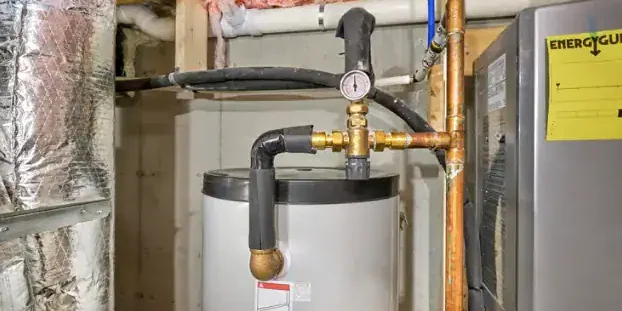
This is the part of the installation where everything comes together. The plumber ties in the water lines, connects the gas or electrical supply, and tests each connection under pressure. They confirm there are no leaks, set the T&P valve correctly, and make sure every line is secured the way the system requires. It’s one of the most sensitive stages of the job, and exactly where a licensed pro makes the difference between a safe install and a problem waiting to happen.
Step 5: Venting & Drainage Setup
Both tank and tankless gas systems require proper venting to remove exhaust safely. A tankless water heater may also need a condensate drain added or updated. Electric units skip venting entirely but still require correct drainage for safety features.
Step 6: Testing, Calibration & Safety Checks
The system is filled, air is purged, and the thermostat is set, usually around 120°F. The plumber checks pressure, inspects for leaks, and confirms that your hot water flows consistently and safely from every faucet.
Step 7: Final Walkthrough & Homeowner Education
Before leaving, the plumber will explain how to adjust the temperature, how to shut off the heater in an emergency, and what basic maintenance to expect. This step gives you confidence and helps you avoid future problems.
Make Your Water Heater Installation Simple With a Plumber Who Knows What They’re Doing
Installing a water heater only feels simple until the details you didn’t plan for start affecting the outcome: the sizing, the hookups, the clearances, and the adjustments your home needs that you can’t see ahead of time. And here’s the part most homeowners never consider: one small oversight during installation doesn’t just create a minor issue now but can also void warranties, raise utility costs, and shorten the life of the new heater before it ever has a chance to run the way it should.
That’s why having the right plumber matters before the installation begins, not after the problems show up. Anytime Plumbing, Sewer, Drain & Heating handles the parts of the job most homeowners don’t even know to look for, so the system runs the way it’s supposed to from day one.
If you want your installation done cleanly, safely, and without the surprises that cost time and money later, reach out before the project starts, while everything is still easy to control.