

At what point does a drain problem stop being something a plunger can fix?
For many homeowners, that question arises after the drain has cleared once, only to slow again. Or after the same fixture has been treated multiple times without lasting results.
At some point, the question stops being about how to clear the clog and becomes about whether the problem is still a routine blockage or something deeper inside the plumbing system.
Many drain issues begin as simple surface clogs. But some signal conditions inside the pipes that basic tools cannot reach. Knowing where that line is determines when professional drain cleaning becomes necessary, and this blog is all about that.
What DIY Drain Tools Can and Cannot Do
Basic drain tools are designed to handle simple, surface-level clogs. When a blockage forms close to the drain opening, a plunger can often dislodge it by creating pressure that forces the obstruction loose.
In situations like these, the problem may involve:
- Hair or soap buildup in a bathroom drain
- Food debris near the kitchen sink opening
- A small object partially blocking a single fixture
When the clog is close to the surface and confined to one drain, basic tools can often restore normal flow.
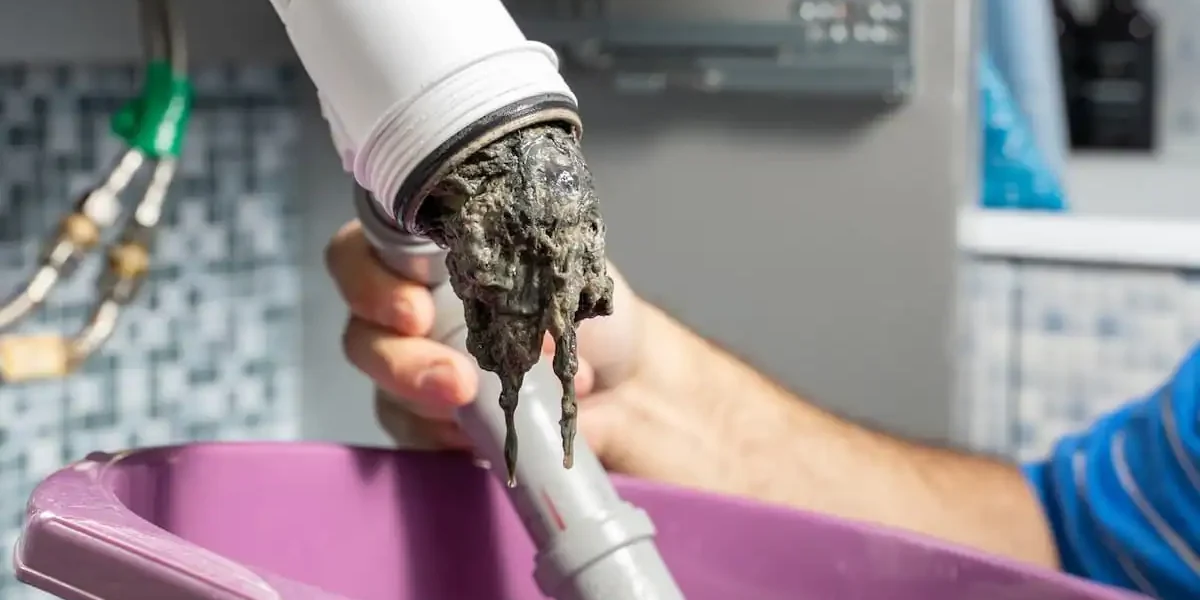
The limitation appears when the obstruction is located deeper in the plumbing system or when buildup has formed along the interior walls of the pipe. Plungers and most store-bought solutions cannot reach these areas. Repeated attempts without addressing the underlying condition can eventually turn a drain issue into a plumbing repair.
Even when water begins draining again, residue may remain inside the pipe. Over time, that remaining buildup can catch additional debris and recreate the blockage.
Chemical drain cleaners may temporarily improve flow, but they often work by breaking down only the softest portions of the clog. The underlying buildup frequently remains in place.
The result is a drain that appears fixed but gradually slows again.
Recurring clogs often signal that the issue is not the single blockage visible at the surface, but the condition of the pipe further inside the system.
Signs the Drain Problem Is Deeper in the System
Some drain problems begin as minor clogs but gradually reveal signs that the issue extends further into the plumbing system. When these patterns appear repeatedly or affect multiple fixtures, the blockage is often deeper than what basic tools can reach.
1. Recurring Clogs in the Same Drain
If the same sink, shower, or tub continues to clog even after it has been cleared, the issue may not be a single obstruction. Recurring clogs often indicate buildup along the pipe walls or a restriction deeper in the line that continues catching debris.
2. Multiple Drains Slowing at the Same Time
When more than one drain in the home begins slowing down together, the problem may involve the main drain line rather than a single fixture. Because all household drains eventually connect to the same system, a deeper blockage can affect several fixtures at once.
For homes in Santa Fe that rely on septic systems, these symptoms can sometimes appear differently and should be evaluated promptly to prevent larger drainage problems.
3. Gurgling Sounds From Pipes
Gurgling noises coming from sinks, tubs, or toilets can signal trapped air within the drainage system. This often happens when a developing blockage restricts the normal flow of wastewater through the pipes.
4. Unpleasant Odors From Drains
Persistent sewer odors coming from drains may indicate organic buildup inside the pipe or a developing blockage that is preventing wastewater from moving properly through the system.
5. Water Backing Up Into Other Fixtures
One of the clearest warning signs of a deeper plumbing issue is when using one fixture causes water to appear in another. For example, running a sink may cause water to rise in a nearby tub or shower drain.
These situations usually point to a restriction further along the drainage line.
When these signs appear repeatedly or affect multiple areas of the home, the plunger is no longer the right tool for the job.
What Professional Drain Cleaning Actually Does
Professional drain cleaning focuses on identifying and removing the underlying cause of the blockage rather than simply forcing water past it.
The process usually begins with diagnosis. In many cases, local plumbers use a small camera inserted into the drain line to inspect the inside of the pipe. This inspection helps determine where the obstruction is located and what type of buildup or debris is causing the restriction.
1. Camera Inspection
A camera inspection allows plumbers to see the interior condition of the drain line in real time. It helps locate blockages, identify buildup along pipe walls, and detect issues such as root intrusion or damaged sections of pipe.
This step ensures that the cleaning process addresses the actual cause of the problem rather than treating the symptoms repeatedly.
2. Professional Auger (Drain Snake)
When the blockage is deeper in the system, reliable plumbers often use a professional auger. Unlike small household snakes, these tools can reach much farther into the plumbing system and mechanically break apart obstructions lodged inside the pipe.
3. Hydro-Jetting
For drains with heavy buildup along the pipe walls, hydro-jetting may be used. This method uses high-pressure water to remove grease, sludge, mineral deposits, and other debris from the interior surface of the pipe.
Instead of simply creating a small pathway for water to pass through, hydro-jetting restores the pipe’s interior diameter, allowing wastewater to flow normally again.
The goal of professional drain cleaning is not just to open the drain temporarily. It is to restore the pipe’s condition so that the blockage does not return within a few weeks.
Knowing When It’s Time to Call a Professional
Some drain problems recur because they were never fully resolved in the first place. Clearing the surface of a clog without addressing what’s causing it inside the pipe is at best a temporary fix, and some situations go well beyond what any DIY attempt can resolve.
Sewage backing up into fixtures, standing water that won’t clear, or sewer odors spreading through the home are signs that the system needs a proper evaluation, not another workaround.
If your drains keep slowing or clogging despite your best efforts, it’s time to let someone take a closer look at what’s actually going on. The team at Anytime Plumbing, Sewer, Drain & Heating serves homeowners and property owners with honest assessments and lasting solutions. Schedule your drain inspection today and finally get to the bottom of what’s been draining your patience.