

Have you ever run out of hot water in the middle of a shower and wondered if there’s a better way to heat water in your home?
That moment usually sparks the question: should you stick with a traditional tank water heater, or is it time to consider a tankless system?
Both options can work well. The difference comes down to how your household uses water, what your plumbing system can support, and how long you plan to stay in your home. Before deciding on a new water heater installation, it helps to understand how each system operates and what that means for daily life.
How Traditional Tank Water Heaters Work
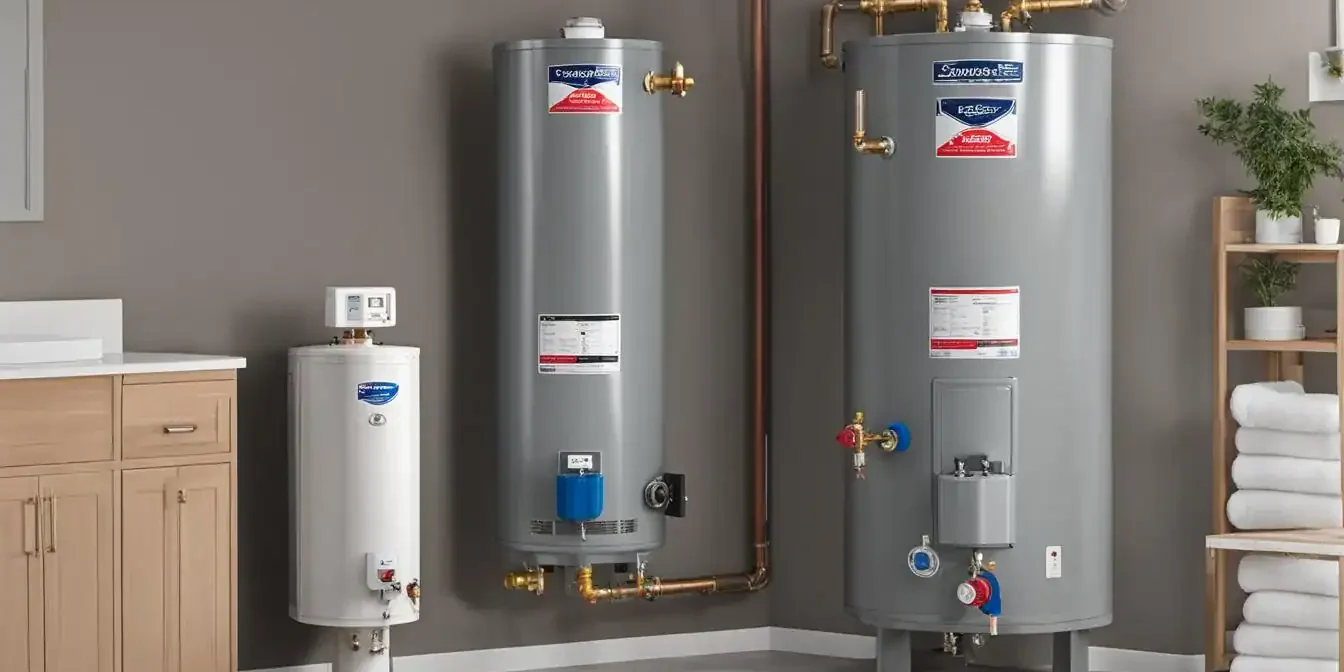
A traditional water heater stores a set amount of hot water, usually between 40 and 80 gallons. The unit keeps that water heated throughout the day. When someone turns on a faucet, hot water flows out of the tank and is replaced with cold water, which then heats up again.
This setup is simple, reliable, and familiar. It has been the standard in residential plumbing systems for decades.
Advantages of Traditional Tank Systems
- Lower upfront water heater installation cost
- Straightforward setup in most homes
- Simple plumbing connections
- Predictable repair needs
Because tank systems are common, replacement parts are widely available and most plumbers are familiar with servicing them.
How Tankless Water Heaters Work
A tankless unit heats water only when you need it. Instead of storing hot water, it uses high-powered heating elements or gas burners to warm water instantly as it flows through the unit.
That means there is no stored supply to run out. As long as the unit is properly sized, you can continue using hot water without waiting for a tank to refill.
Advantages of Tankless Systems
- Endless hot water when sized correctly
- Energy efficiency from heating water on demand
- Wall-mounted design that saves space
- Longer lifespan compared to traditional tanks
Tankless water heater installation is especially appealing to homeowners looking for improved efficiency and modern plumbing upgrades.
Upfront Cost vs. Long-Term Efficiency
One of the biggest differences between the two systems is cost structure.
Traditional Tank Installation Costs
Traditional units generally cost less upfront. The installation process is typically straightforward if your plumbing is already set up for a tank system.
However, tank systems continuously heat stored water, even when no one is using it. That standby heat loss can increase energy usage over time.
Tankless Water Heater Installation Costs
Tankless systems cost more initially. Installation may require:
- Upgrading gas lines
- Modifying venting
- Adjusting electrical systems
- Updating portions of existing plumbing
The higher upfront cost often balances out over time through energy efficiency and longer equipment lifespan.
Performance Considerations for Real Households
Choosing between tank and tankless systems is not just about efficiency. It is about how your home actually uses hot water.
Traditional Tank Performance
- Limited by tank size
- Can run out during heavy simultaneous use
- Good for smaller households or moderate usage
Tankless Performance
- Continuous hot water
- Limited by flow rate capacity
- Requires proper sizing for larger families
If multiple showers, laundry, and dishwashers run at the same time, the unit must be sized carefully. A plumber evaluates these usage patterns before recommending a system.
Maintenance and Repair Expectations
Both systems require routine maintenance to perform well.
Traditional tanks need periodic flushing to remove sediment buildup. Neglecting this can shorten lifespan and strain the plumbing system.
Tankless systems require descaling to prevent mineral buildup inside the heat exchanger, especially in areas with harder water.
Regular maintenance protects your water heater installation investment and helps prevent emergency service calls.
When Traditional Makes More Sense
A traditional tank water heater may be the better fit if:
- Your current plumbing setup already supports it
- Budget is a major factor
- Your household has steady, predictable usage
- You prefer a lower upfront cost
For many homes, sticking with a traditional system is practical and reliable.
When Tankless Makes More Sense
Tankless water heater installation may be the better choice if:
- Your household uses large amounts of hot water
- You want improved energy efficiency
- You plan to stay in the home long term
- You want to free up storage space
The key is ensuring your plumbing system and utilities can support the upgrade.
Making the Decision Without Guessing
The best choice depends on your home’s plumbing layout, energy setup, household size, and budget goals. What works well in one home may not be ideal in another.
Before committing to a water heater installation, it is important to have a plumber assess your existing plumbing system and discuss realistic performance expectations.
Choosing the Right Fit for Your Home
Switching between systems is not just an appliance decision. It is a plumbing decision that affects gas lines, venting, and overall system demand.
If you are weighing traditional versus tankless water heater installation, Anytime Plumbing, Sewer, Drain & Heating can evaluate your current setup, review your usage patterns, and recommend the option that fits your home best.
Schedule a consultation and make your decision with clarity instead of guesswork.